
The Evolution of Metal Coil Processing Technology: From Manual to Fully Automated Lines
The Quiet Revolution in Metal Coil Processing
Few technologies shape modern manufacturing as quietly, or as fundamentally, as metal coil processing. Every car body panel, every transformer lamination, every beverage can begins its life as a coil of steel or aluminum that must be uncoiled, leveled, cut, slit and stacked to exact specification. For decades, that work was done by hand and by hydraulic muscle, guided by the judgment of skilled operators. Today it is orchestrated by CNC controllers, servo drives and factory software that connect every station of the line into a single intelligent system.
This article traces that evolution, from manual operations to semi-automatic machinery, from CNC-controlled full automation to the connected smart factory, and shows how modern equipment such as the lines built by Hengli has become part of today's intelligent manufacturing landscape.
Four Eras of Coil Processing
Manual Era
Hand cranks, hydraulic shears and operator judgment. Flexible, but slow and scrap-prone.
Semi-Automatic
Motorized uncoilers, levelers and feed tables bring consistent, repeatable cut-to-length output.
CNC Automation
Servo feed, electronic length control and programmable sequences push tolerances to the tenth of a millimeter.
Smart Factory
Lines connected to MES and ERP, with data, remote diagnostics and predictive maintenance.
The Manual Era: Hand Cranks, Hydraulics and Human Judgment
In the early decades of the industry, coil processing was defined by physical labor. A coil was lifted onto a manual uncoiler, the strip was pulled by hand through simple pinch rollers, and a mechanical or hydraulic guillotine shear cut sheet after sheet. Operators measured lengths with tapes and stops and stacked finished blanks by hand. Accuracy depended entirely on individual skill, and a single misread measurement could ruin a sheet of expensive silicon steel or tinplate.
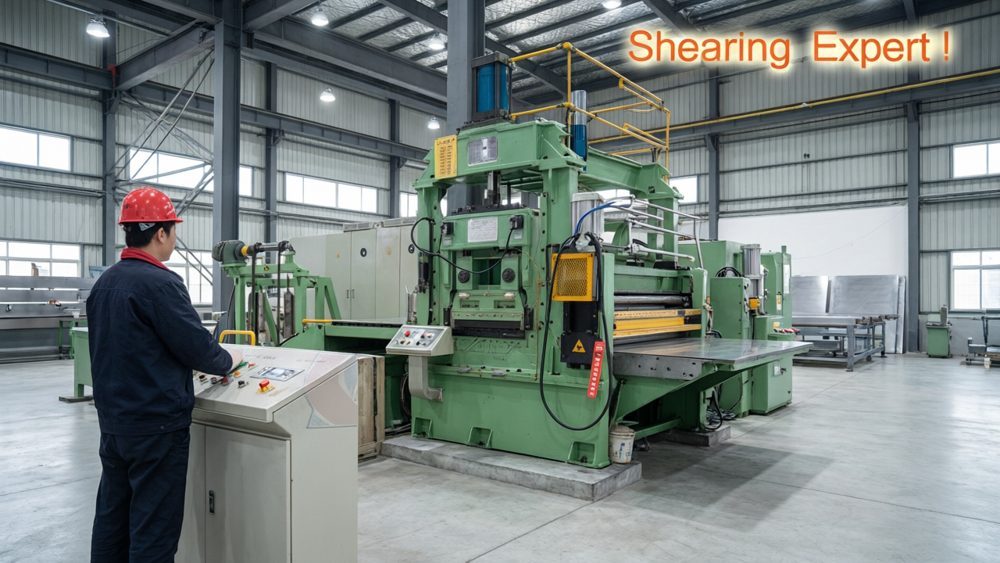
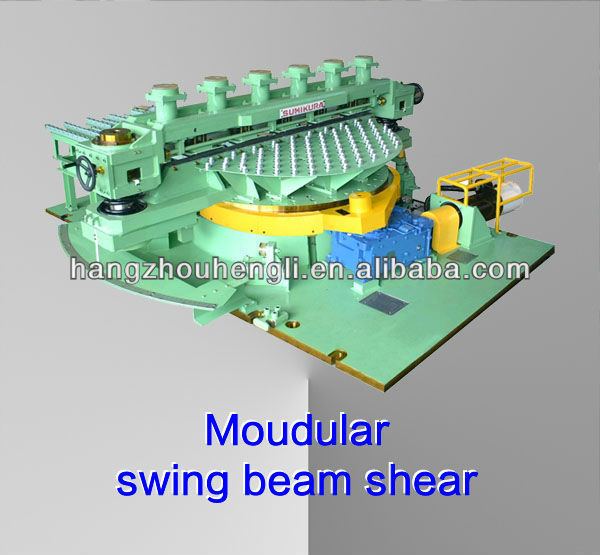
Mechanical shearing machines and swing beam shears were the workhorses of this era. Robust, inexpensive and easy to maintain, they remain useful today for low-volume work, maintenance shops and small fabricators. But their productivity was bounded by human fatigue, and their tolerance was measured in millimeters rather than hundredths. The manual era taught the industry an essential lesson: the fundamental processes of uncoiling, leveling and shearing were sound. What was missing was control.
The Semi-Automatic Leap: Mechanized Feed and Cut-to-Length
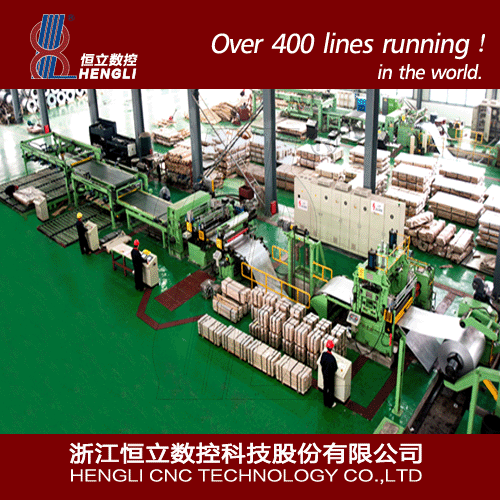
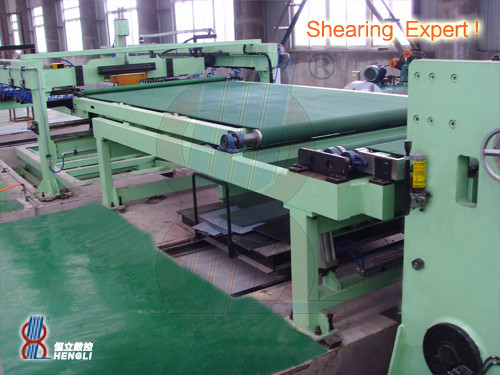
The first great leap came with electrification and mechanization. Motorized uncoilers replaced hand cranks, roller levelers flattened strip automatically, and mechanical feed tables pushed material to an adjustable stop before every cut. The operator no longer positioned each sheet by hand; he set a length, and the machine repeated it faithfully. Semi-automatic cut-to-length lines became the backbone of steel service centers.
These lines delivered a dramatic improvement in consistency and throughput. A single operator could supervise an entire line, and output climbed from dozens of sheets per shift to hundreds. Yet the semi-automatic era had clear limits: length changes required manual stop repositioning, speed varied with operator attention, and tolerances of one millimeter were considered good. The industry was ready for machines that could think.
CNC and the Fully Automated Line
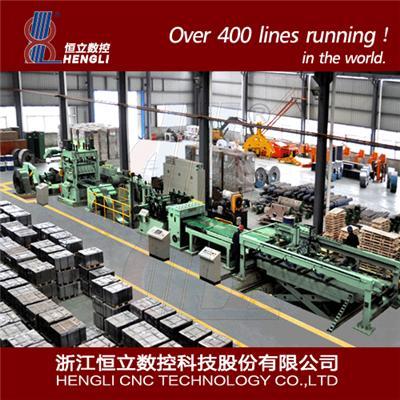
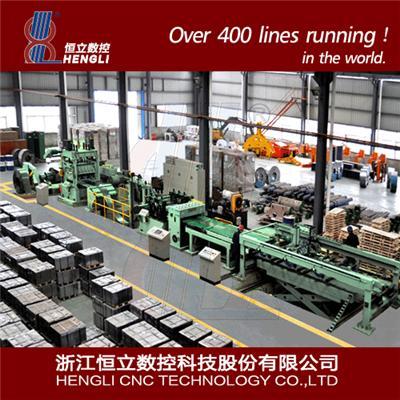
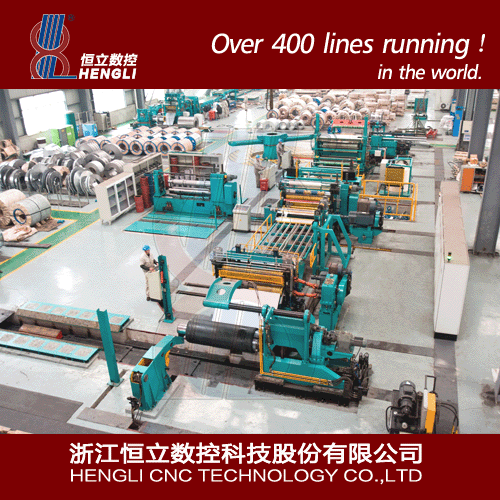
The microprocessor changed everything. CNC controllers replaced mechanical stops and relay logic. Servo-driven feed rolls measured strip length electronically and compensated for leveler slip in real time, while shear sequences, stacking patterns and production counts were programmed rather than dialed in. On fully automated slitting lines, knife positioning, tension control and recoiling are coordinated by the controller, allowing one operator to supervise continuous multi-hour production runs.
The results transformed the economics of coil processing. Length tolerances dropped into the tenths of a millimeter, changeovers that once took an hour now take minutes, and line utilization climbed sharply. Automation also improved safety, since operators no longer stand close to moving strip and shearing blades. For processors running silicon steel, stainless steel, aluminum and tinplate, the fully automated line became the new standard.
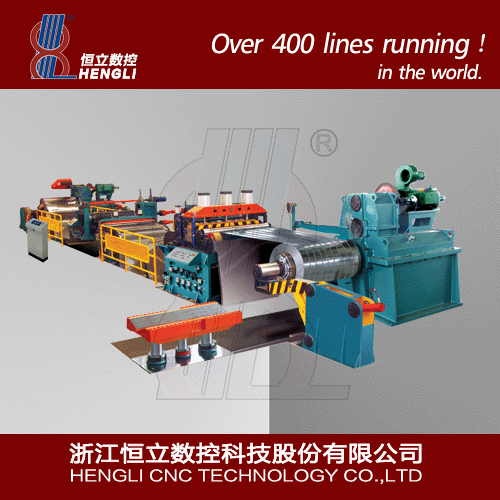
Precision at Speed: Digital-Controlled Rotary Shearing and Scroll Cutting
In high-volume industries such as can making, transformer lamination and automotive blanking, even a conventional automated line is not enough. These applications demanded both speed and material economy, and they produced the next breakthrough: digital-controlled rotary shearing and scroll cutting lines.
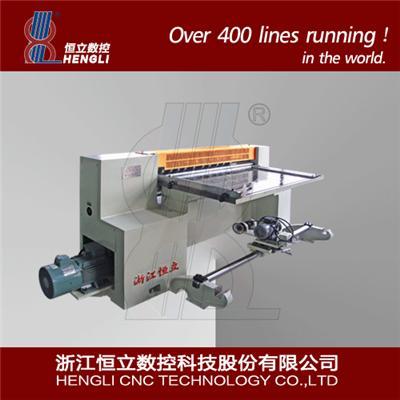
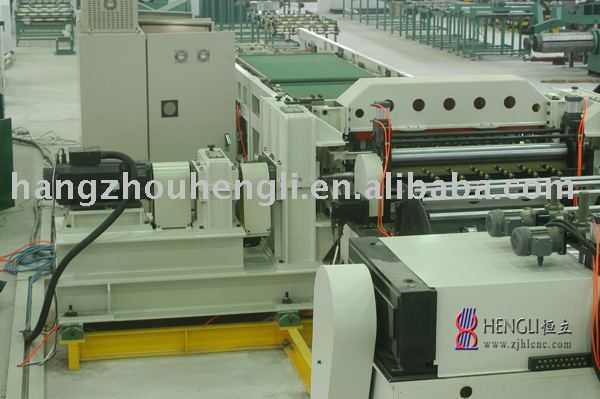
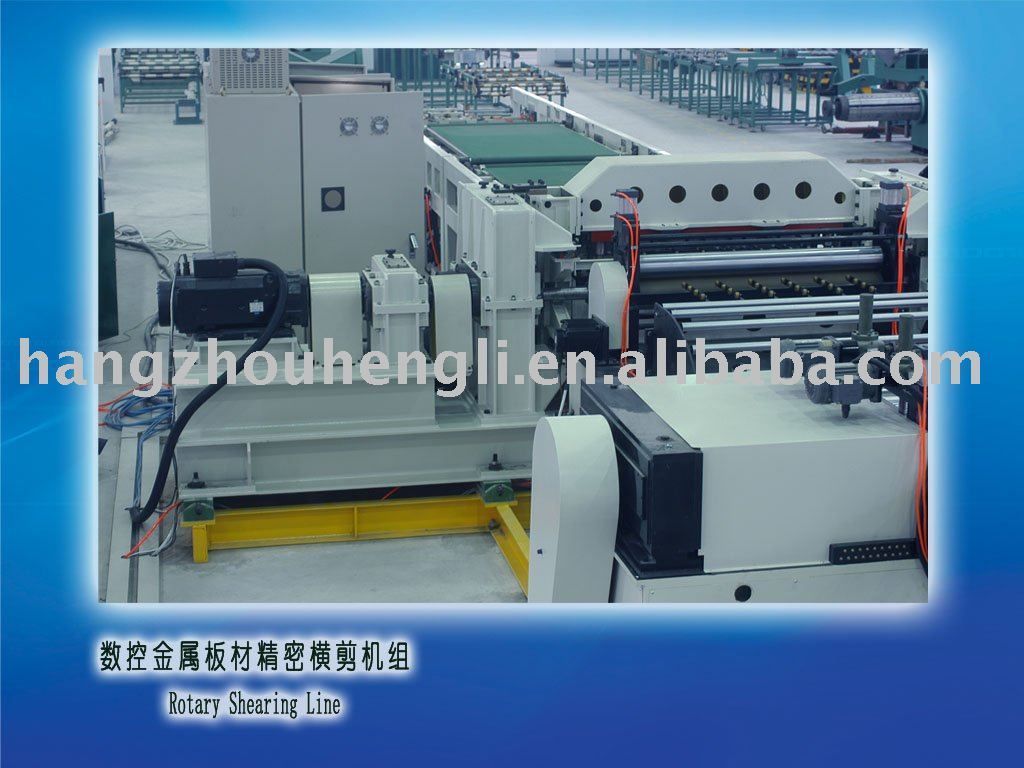
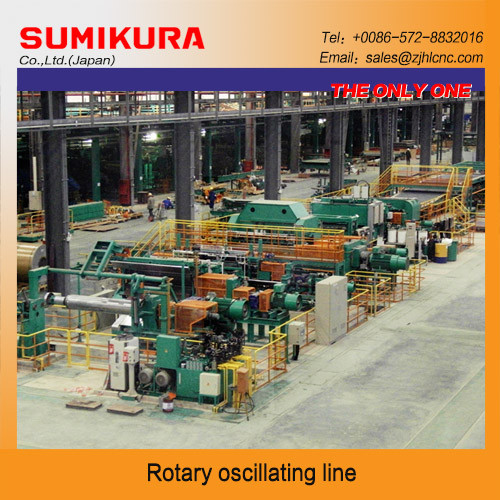
Unlike a stop-and-cut shear, a rotary flying shear cuts the strip while it is moving, so the line never pauses between cuts. Paired with servo length measurement and programmable scroll dies, these lines cut intricate nested blanks, scroll shapes that interlock on the strip to maximize material utilization, at very high speeds. Operators switch blank patterns in software rather than changing dies for every run, a decisive advantage for makers of motor laminations, can ends and appliance components. Yield improvements of several percentage points quickly repay the investment in the line itself.
The Smart Factory: Data, Integration and the Connected Line
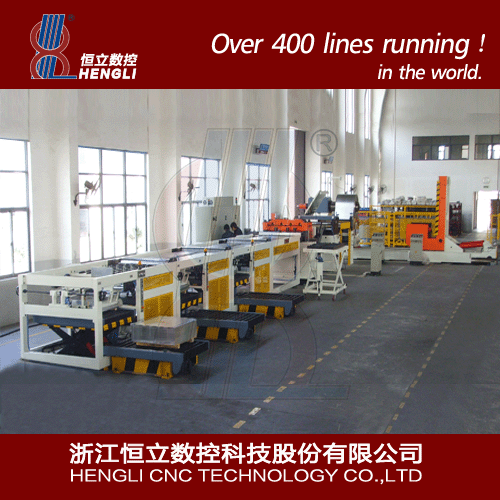
The latest chapter in this story is the smart factory. Today's coil processing lines are no longer isolated islands of automation. CNC and PLC controllers communicate with MES and ERP systems, production data flows to the cloud, sensors monitor wear and vibration, and remote diagnostics predict maintenance before a breakdown occurs. A line can be set up from a tablet and report quality and yield in real time.
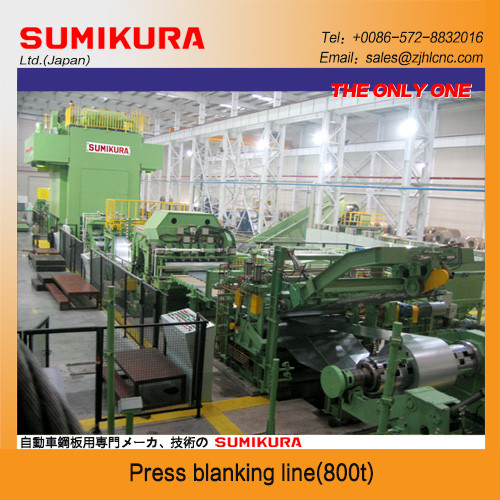
In this environment, the line becomes a node in a larger intelligent network. Blanking and cut-to-length lines feed downstream press shops; slitting lines feed stamping and forming cells; data from each line informs scheduling, inventory and continuous improvement. The physical equipment, uncoilers, levelers, shears, slitters and stackers, remains the heart of the system, but software now orchestrates it. For manufacturers, the smart factory is not a single purchase but a journey, and the equipment they choose must be capable of joining it.
How Hengli Equipment Fits Into Modern Smart Manufacturing
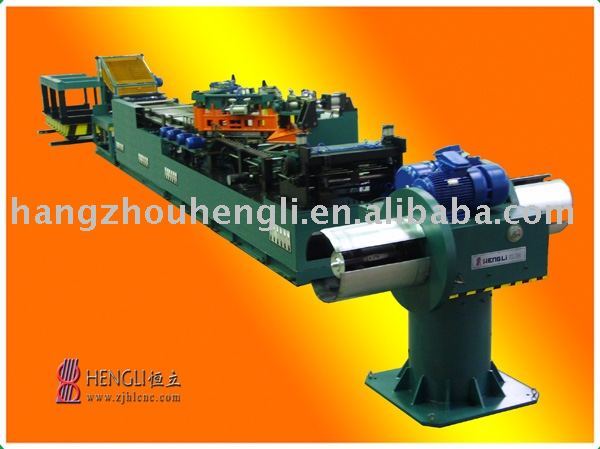
Hengli has lived this entire evolution. From mechanical shearing machines to CNC cut-to-length lines, from duplex slitters to digital-controlled rotary cutting and scroll cutting lines, the company has built every generation of coil processing equipment for a global customer base.
What makes Hengli equipment a natural fit for smart manufacturing? First, CNC-based control is standard across the product range, so data capture and recipe management come as standard. Second, the modular architecture of Hengli lines means a processor can start with a semi-automatic configuration and upgrade to full automation as volumes grow, protecting the original investment. Third, the lines are designed for integration: open controller interfaces, consistent electrical standards and proven automation packages make it straightforward to connect a Hengli line to an existing MES, ERP or factory network.
Built for the upgrade path
Whether the goal is a first cut-to-length line, a high-speed slitting installation or a fully connected smart line, Hengli's range covers the path from manual heritage to digital future. Explore the full catalog on the products page, learn more about the company on the about us page, or contact the team to discuss a project.
Frequently Asked Questions
What is the difference between a semi-automatic and a fully automatic coil processing line?
A semi-automatic line uses mechanized feed with manual length setting, so the operator adjusts stops for each new blank size. A fully automatic line uses CNC and servo control for electronic length measurement, automatic shear sequencing, stacking and recipe-based changeover, which delivers higher speed, tighter tolerances and far less operator involvement.
Can an existing manual or semi-automatic line be upgraded?
Often yes, and usually in stages. A motorized uncoiler, digital length measuring system and servo feed can be retrofitted first, followed by full CNC control. Modular line designs such as Hengli's are built with this staged upgrade path in mind.
How does automation improve material utilization?
Electronic length control reduces end scrap, consistent tension and leveling reduce edge damage, and programmable scroll or nesting patterns interlock blanks on the strip to maximize yield. Across high-volume production, these savings add up to several percentage points of material cost.
What should a buyer consider when planning a smart-factory line?
Look for open control architecture and standard data interfaces that can connect to MES or ERP systems, remote diagnostic capability, a strong local service network, and a clear staged upgrade path so the line can grow with the factory rather than being replaced.
Closing Summary
The evolution of metal coil processing, from hand-cranked shears to CNC lines and connected smart factories, is a story of steadily rising precision, speed and intelligence. Each generation has absorbed the lessons of the one before and automated its limits. For today's manufacturers, the question is no longer whether to automate, but how far and how fast. With the right partner, one that offers the full technology spectrum and the engineering depth to support it, the next stage of the journey is already within reach.