
Slitting Line vs Cut to Length Line: Key Differences Explained
Introduction: Two Essential Coil Processing Technologies
In the metal coil processing industry, two fundamental technologies dominate the landscape: slitting lines and cut to length lines. While both start with a master coil of metal, they produce very different end products. Understanding the distinction between these two processes is crucial for manufacturers, steel service centers, and metal fabricators who need to select the right equipment for their specific production requirements.
This article provides a comprehensive comparison between slitting lines and cut to length lines, covering their working principles, output formats, typical applications, and key selection criteria. Whether you are processing cold rolled steel, galvanized steel, stainless steel, aluminum, or silicon steel, knowing the difference will help you make an informed investment decision.
What Is a Slitting Line?
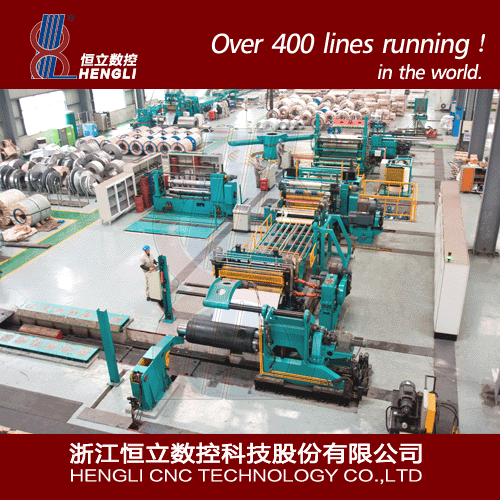
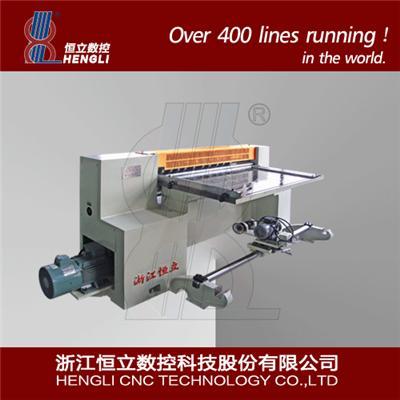
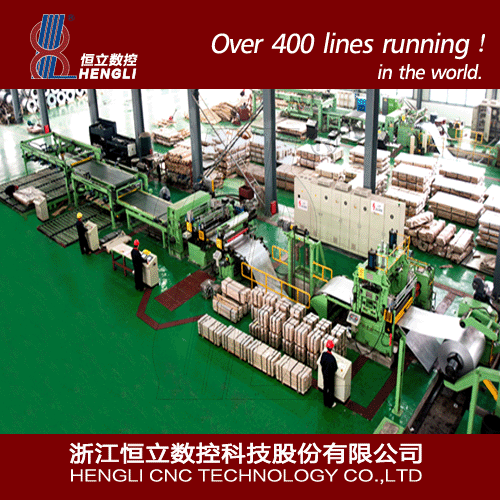
A slitting line is a coil processing system that cuts a wide master coil into multiple narrower coils (known as mults or slit coils) along the longitudinal direction. The process involves uncoiling the master coil, passing the strip through a set of rotary knives (slitter heads) that shear the material into narrower widths, and then recoiling each narrow strip into separate coils.
The key output of a slitting line is multiple narrow coils, each with the same thickness as the original coil but reduced in width. These slit coils are then used in downstream processes such as roll forming, tube making, stamping, or further cut to length operations.
How a Slitting Line Works
- Uncoiling: The master coil is mounted on an uncoiler and fed into the line.
- Flattening & Leveling: The strip passes through a leveler to remove coil set and improve flatness.
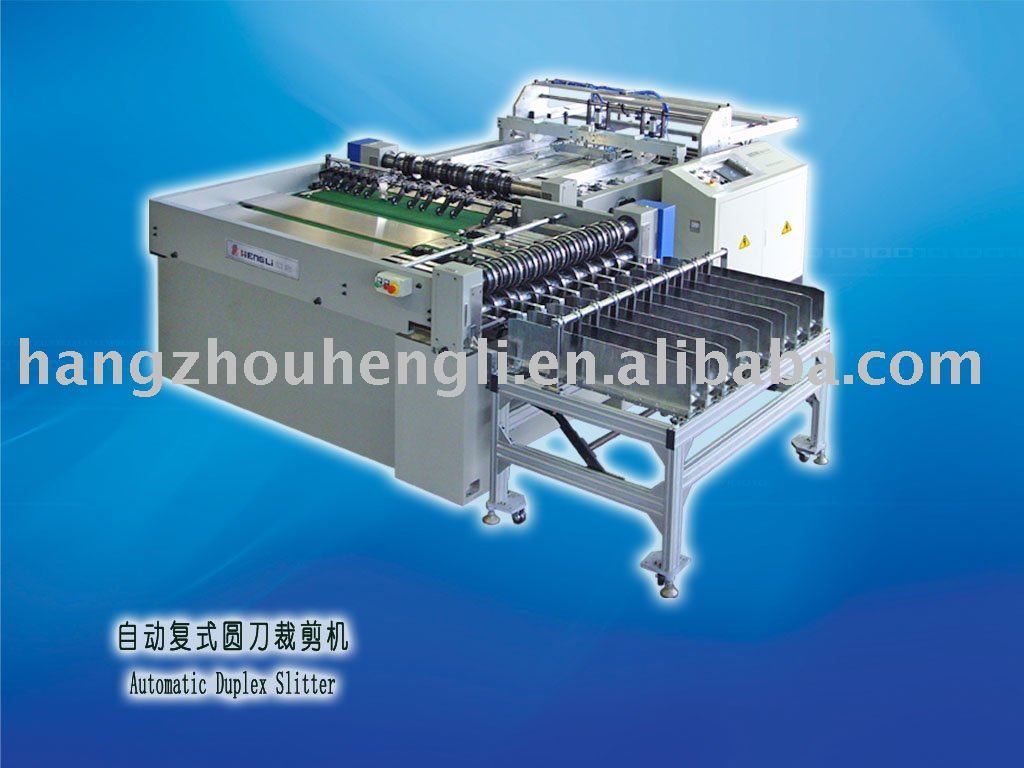
- Slitting: The strip enters the slitter head, where pairs of circular blades cut the material into multiple narrower strips simultaneously.
- Scrap Winding: The trimmed edges (selvedge) are wound onto scrap winders for disposal.
- Tensioning & Recoiling: Each narrow strip is separated by a spreader device and rewound into individual coils on the tension reels.

Typical Applications of Slitting Lines
- Producing narrow coils for roll forming operations (roofing sheets, wall panels, decking)
- Supplying slit strip for tube and pipe manufacturers
- Preparing precision-width coils for automotive stamping lines
- Slitting electrical steel for transformer and motor core laminations
- Cutting stainless steel coils for kitchenware and appliance manufacturing
Common Materials Processed
Slitting lines can handle a wide range of materials including cold rolled steel (CR), hot rolled steel (HR), galvanized steel (GI), galvannealed steel (GA), stainless steel (SS), aluminum, copper, brass, and silicon steel. Thickness capabilities typically range from 0.1 mm to 6.0 mm or more, depending on the machine configuration.
What Is a Cut to Length Line?
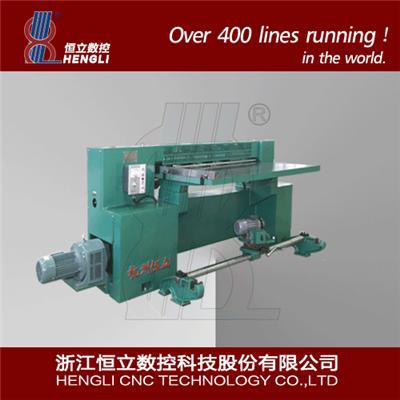
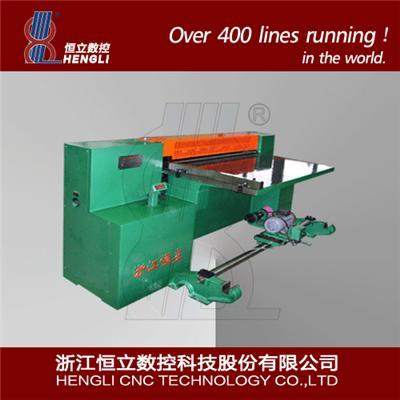
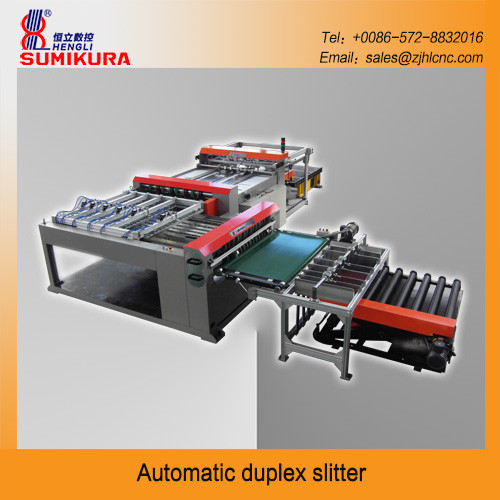
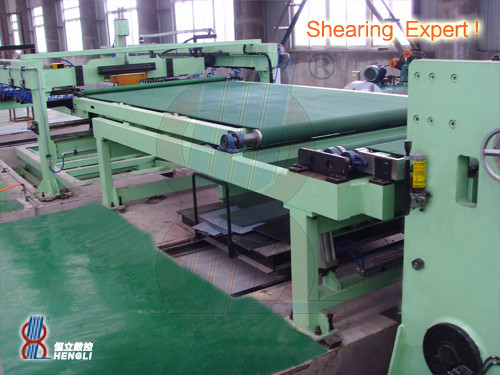
A cut to length line (also known as a shearing line or blanking line) is a coil processing system that uncoils a master coil, levels the strip, and cuts it into flat sheets of predetermined lengths. Unlike a slitting line that produces narrower coils, a cut to length line produces flat rectangular sheets or blanks that are stacked and ready for downstream processing.
How a Cut to Length Line Works
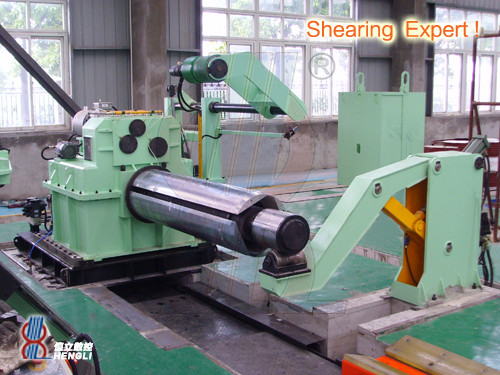
- Uncoiling: The master coil is mounted on an uncoiler and fed into the line.
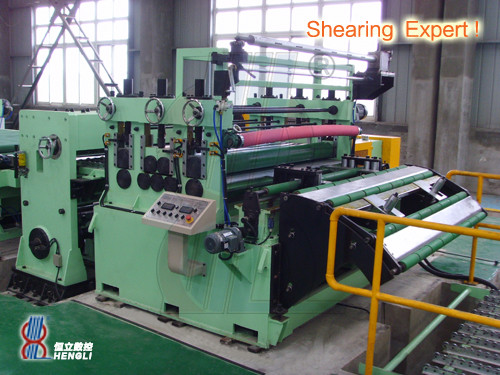
- Leveling: The strip passes through a precision leveler (often with multiple rolls) to achieve superior flatness.
- Measuring: An encoder or servo-driven measuring system precisely tracks the strip length.
- Shearing: When the preset length is reached, a shear (either flying shear, stop-start shear, or rotary shear) cuts the strip crosswise.
- Conveying & Stacking: The cut sheets are conveyed and automatically stacked onto a discharge stacker or pallet.
Typical Applications of Cut to Length Lines
- Producing flat sheets for roofing and cladding applications
- Cutting blanks for press forming and stamping operations
- Supplying precut sheets for laser cutting and plasma cutting machines
- Manufacturing blanks for automotive body panels and structural parts
- Producing sheets for appliance cabinets, enclosures, and panels
Cut to Length Variants
There are several specialized variants of cut to length lines. A flying shear line features a shear that moves with the strip during cutting, allowing continuous operation at higher speeds. A scroll cutting line uses contoured dies to cut nested shapes from the strip, maximizing material utilization for applications like can ends and bottle caps. A blanking line is designed for high-precision rectangles used directly in press feeding, often integrated with a washing and lubricating station.
Key Differences: Slitting Line vs Cut to Length Line
The fundamental difference can be summarized in one sentence: a slitting line cuts a coil along its length into narrower coils, while a cut to length line cuts across the width to produce flat sheets. However, the practical implications extend far beyond this simple distinction.
| Aspect | Slitting Line | Cut to Length Line |
|---|---|---|
| Cutting Direction | Longitudinal (along the strip) | Transverse (across the strip) |
| Final Product | Narrow coils (mults) | Flat sheets / blanks |
| Downstream Process | Roll forming, tube making, stamping | Press forming, laser cutting, packaging |
| Material Flow | Recoiling after slitting | Stacking after shearing |
| Cutting Speed | Continuous, up to 200 m/min | Continuous or start-stop, up to 90 m/min |
| Typical Tolerance | Width: ±0.05 mm to ±0.15 mm | Length: ±0.5 mm to ±1.0 mm |
| Key Component | Rotary slitter knives | Shear (stop-start / flying / rotary) |
| Material Handling | Tension reels + coil banding | Conveyor + stacker + packaging |
| Ideal For | High-volume coil-to-coil processing | Sheet production and blanking |
How to Choose Between Slitting and Cut to Length
Selecting the right equipment depends on several factors that should be carefully evaluated:
1. End Product Format
If your customers need narrow coils for further processing (roll forming, tube mills), a slitting line is the clear choice. If they need flat sheets or precision blanks ready for stamping or laser cutting, a cut to length line is required.
2. Production Volume
Slitting lines are typically designed for high-volume, continuous operation with speeds up to 200 m/min. Cut to length lines, especially stop-start type, operate at lower speeds but can achieve more precise length tolerances.
3. Material Characteristics
Thin, ductile materials are generally easier to slit. Thicker or harder materials may require specialized slitter knife setups. For cut to length operations, the leveling capability is critical — thicker materials need more leveler rolls and higher separating forces.
4. Precision Requirements
Slitting width tolerances can reach ±0.05 mm with precision tooling. Cut to length length tolerances typically range from ±0.5 mm to ±1.0 mm depending on line speed and shear type. Flying shear lines offer a good balance of speed and accuracy.
5. Space and Investment
Cut to length lines typically require more floor space due to the conveyor and stacking system. Slitting lines are generally more compact but require specialized recoiling and coil handling equipment. Initial investment costs are comparable for similar capacity ranges.

Can a Machine Do Both?
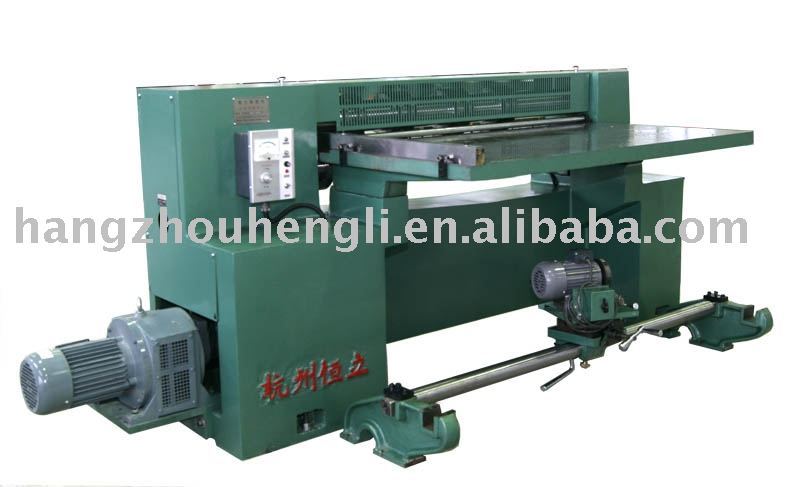
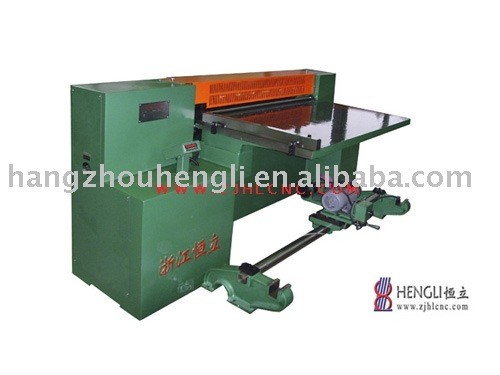
Yes — a combination cut to length and slitting line (also called a slitting and cut to length line or dual-purpose line) can perform both operations in a single pass. These versatile systems first slit the strip longitudinally, then shear the individual slit strands crosswise, producing multiple flat sheets from a single master coil. While combination lines offer greater flexibility, they typically run at slower speeds than dedicated single-purpose lines and involve higher initial complexity.
Hengli offers both dedicated and combination configurations tailored to specific production requirements. Our combine cutting line models integrate slitting and shearing modules in a unified process, ideal for manufacturers who need flexibility without investing in two separate lines.
Conclusion
Both slitting lines and cut to length lines play indispensable roles in the metal coil processing industry. The choice between them comes down to your end product: narrow coils require a slitting line, while flat sheets call for a cut to length line. For operations needing both capabilities, a combination line can offer a compelling solution.
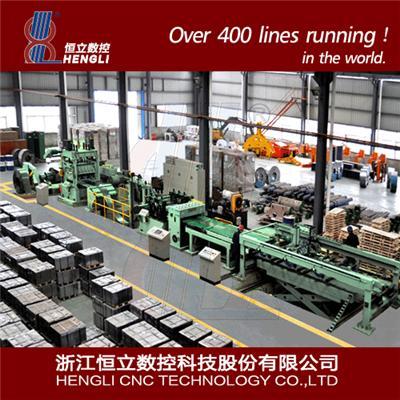
At Hengli, we have been designing and manufacturing coil processing equipment since 2004. Our product range includes slitting lines, cut to length lines, flying shear lines, scroll cutting lines, and custom combination lines for a wide variety of materials including cold rolled steel, galvanized steel, stainless steel, aluminum, and silicon steel. Browse our product catalog or contact our team for personalized technical recommendations based on your production requirements.