
Automation in Metal Coil Processing Lines: CNC, Sensors & Smart Manufacturing
Automation in Metal Coil Processing Lines: CNC, Sensors & Smart Manufacturing
Metal coil processing has entered a new era. For decades, lines that uncoil, level, cut, and stack steel ran on relay logic and operator skill. Today the same machines are being rebuilt around control systems that calculate, sensors that see, and software that remembers. CNC controls, distributed sensors, remote diagnostics, and data-driven analysis are turning coil processing lines from mechanical assemblies into intelligent production assets.
This article explores the automation technologies reshaping these lines, from digital-controlled rotary cutting and flying shears to pinhole detection and predictive maintenance, and explains why early adopters gain a measurable edge in precision, uptime, and cost per ton.
CNC Control Systems: The Digital Brain of the Line
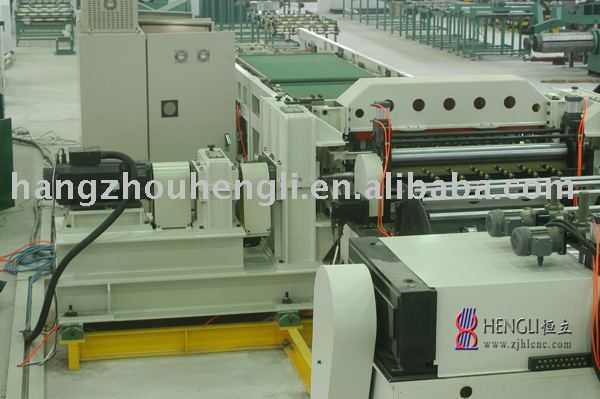
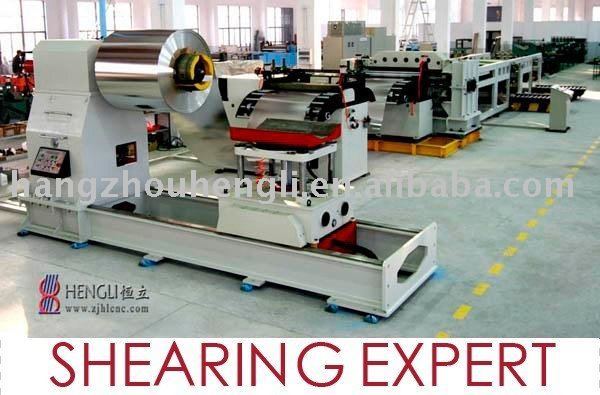
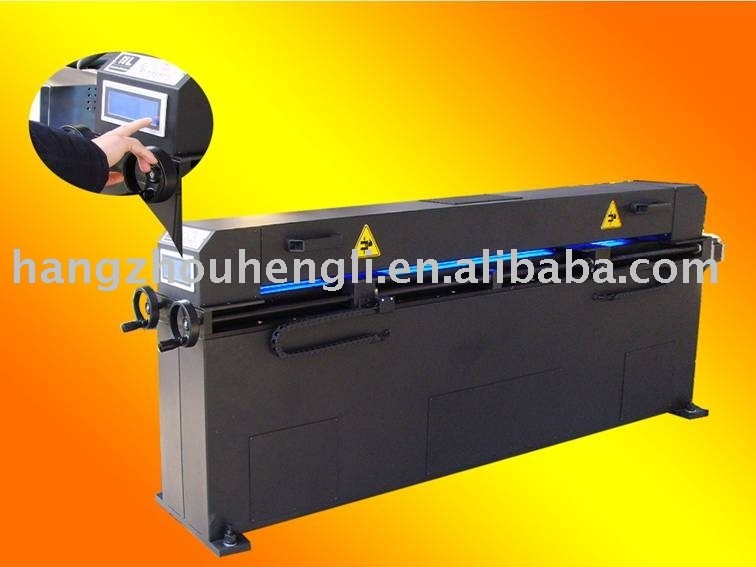
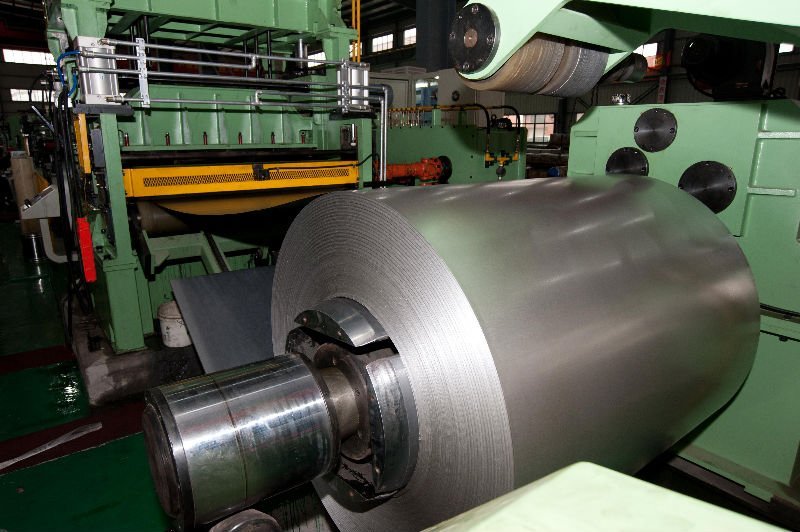
The most visible change in modern coil processing is the control system. A CNC-based line replaces mechanical stops, hand-set gauges, and manual length adjustments with a programmable controller that manages every axis in real time. Operators enter coil thickness, strip width, cut length, and batch quantity on a touchscreen; the controller then coordinates the uncoiler brake, leveler roll gap, measuring system, shear, and stacker as one synchronized unit.
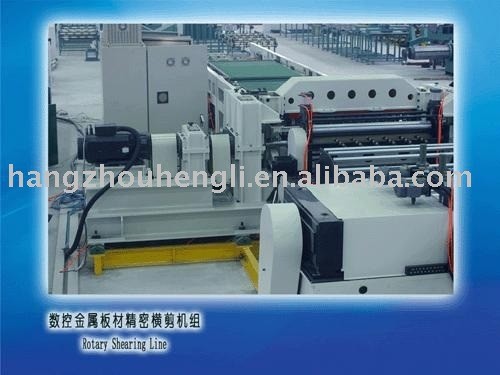
Digital-controlled rotary cutting lines take this further. Instead of a mechanical cam or a fixed shear timing, the rotary shear head is servo-driven and synchronized to strip speed, so the line never stops for a cut. Changing product dimensions no longer means resetting mechanical stops; it means entering new parameters, often in seconds. For processors running many coil sizes and short batches, this programmability is the difference between profitable flexibility and costly changeover time.
Sensors and Real-Time Monitoring: Eyes on the Strip
Automation is only as good as the information feeding it, and that information comes from sensors. Modern lines are dense with measurement points: photoelectric sensors track strip position and loop depth, encoders measure feed length precisely, load cells read tension, and thickness gauges verify gauge before the strip reaches the shear. Each sensor closes a control loop that would otherwise depend on human judgment.
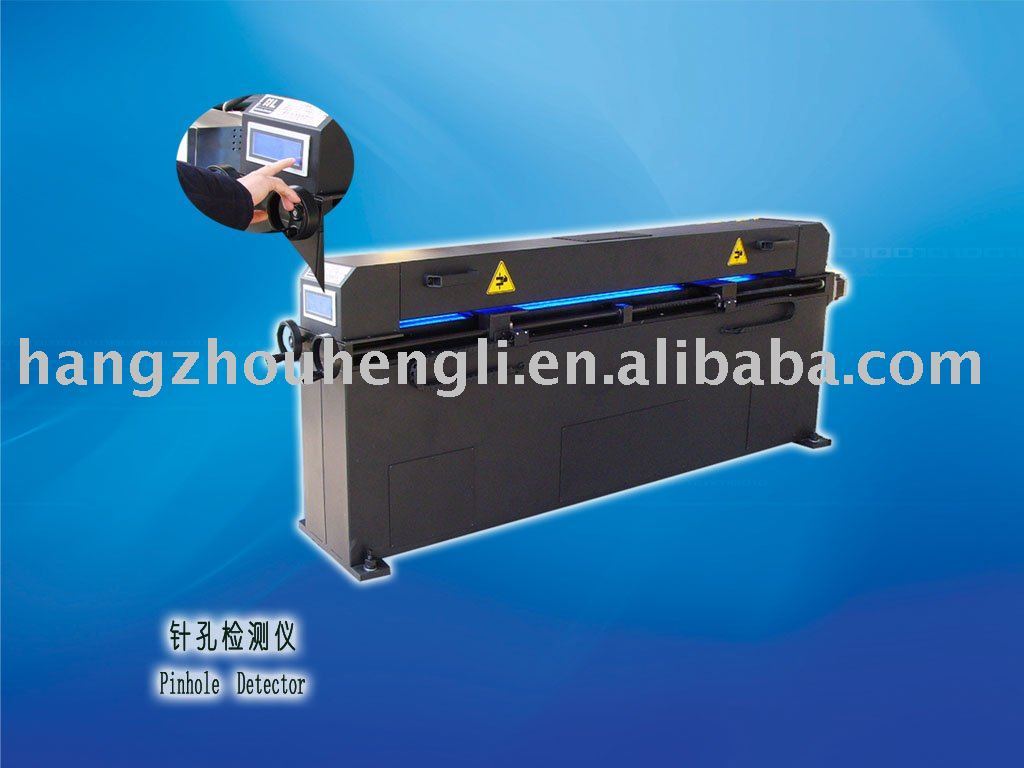
One of the most valuable sensing applications is defect detection. Pinhole detectors scan the moving strip continuously and flag micro-holes that are invisible to the naked eye but fatal for customers producing food cans, aerosol bodies, or electrical components. When a detector finds a defect, the control system can mark the area, reject the affected blanks automatically, or stop the line before a whole coil becomes scrap. Quality control becomes a real-time process instead of an after-the-fact inspection.
Data Acquisition and Analysis: Learning From Every Coil
Once a line is CNC-controlled and instrumented, it generates data: meters of strip processed, cuts per minute, shear cycle times, stacker delays, tension deviations, and defect counts. Data acquisition systems collect these signals continuously, and analysis software turns them into answers. Which coil gauge causes the most leveler adjustments? Which shift achieves the fastest changeover? When does roll wear start to degrade flatness?
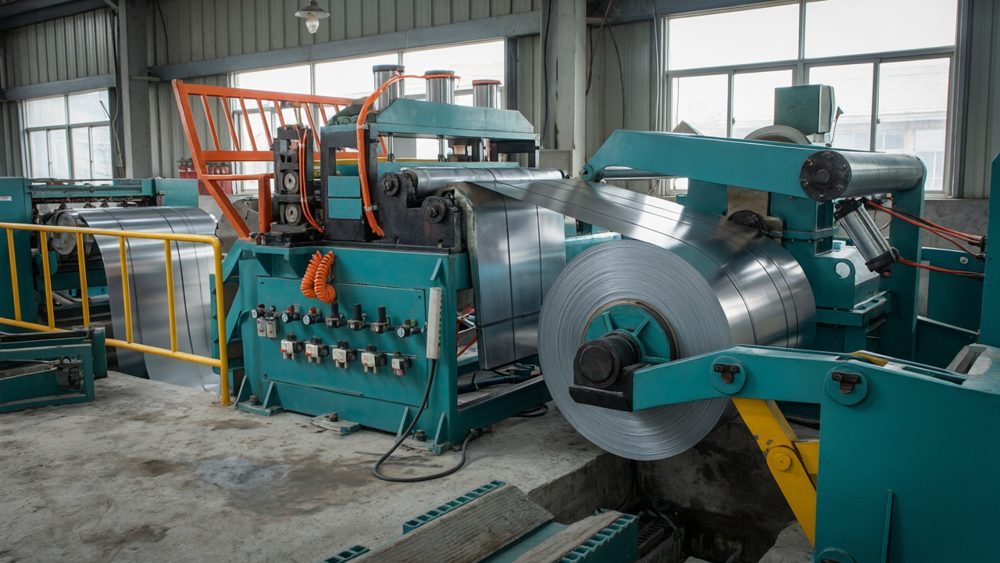
This is where smart manufacturing moves beyond automation into optimization. Slitting lines, for example, produce thousands of meters per shift; analyzing tension and edge-position data lets operators set up the next coil before the current one finishes. Scrap rates fall, setup times shrink, and the production plan aligns with what the equipment can actually deliver. Manufacturers that connect their lines into a wider manufacturing execution system gain an additional benefit: every coil, batch, and order becomes traceable, which is exactly what automotive and appliance customers increasingly require from their suppliers.
Remote Diagnostics and Predictive Maintenance
Downtime is the most expensive output of any coil processing line, and automation attacks it on two fronts. The first is remote diagnostics: modern controllers record alarms, drive faults, and operating trends, and authorized engineers can review that data without traveling to the plant. Many issues that once required a service visit are now diagnosed in minutes over a network connection, with the correct spare part identified before a technician ever arrives.
The second front is predictive maintenance. Instead of replacing components on a fixed calendar, the line's own data determines when maintenance is needed. Rising motor current, longer shear cycle times, or growing vibration patterns signal wear before a failure occurs, turning emergency repairs into planned stops. For processors running multiple shifts, this reliability directly protects delivery promises to customers.
Integrated Automation: Flying Shears and the Synchronized Line
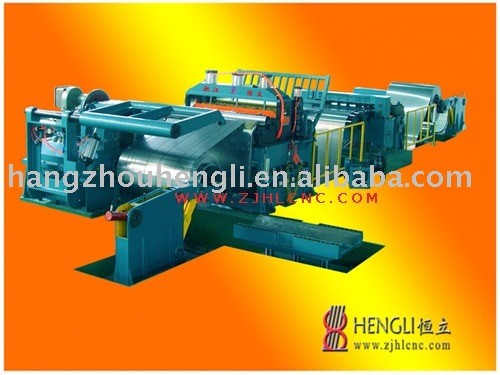
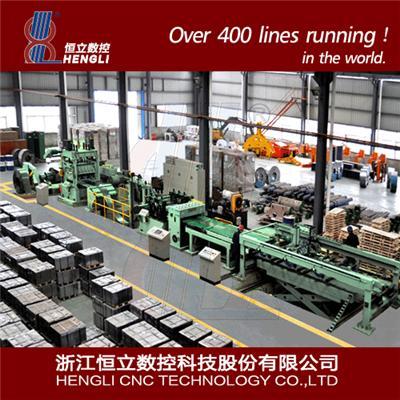
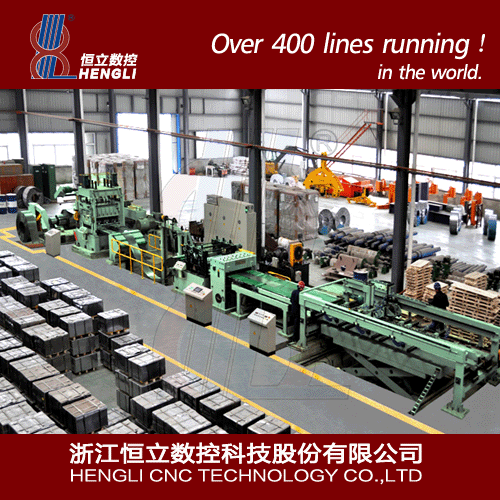
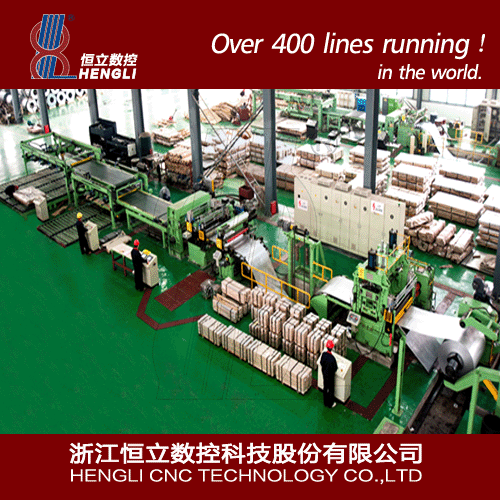
The real power of automation appears when individual technologies work as one system. A flying shearing line is a good example: the strip runs continuously while the shear head matches its speed, cuts, and returns, eliminating the stop-and-go rhythm of conventional shears. This only works reliably when the measuring system, shear servo, leveler, and stacker share one control network and respond to the same real-time data.
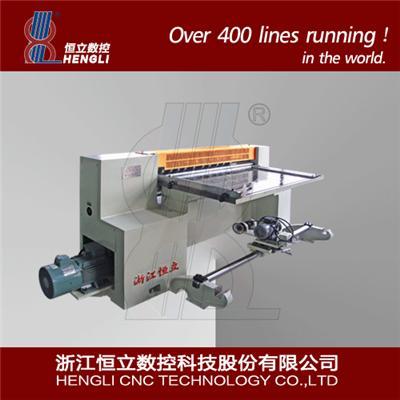
Hengli's flying shearing and rotary shearing lines are engineered this way. Digital controllers coordinate every station, sensors confirm strip position and length at speed, and the operator interface turns a complex mechanical process into simple parameter entry. The result is continuous cutting with consistent length accuracy, cleaner edges, and throughput that conventional lines cannot match. Automation does not replace the machine; it makes the machine perform at the level its mechanics were always capable of.
Industry 4.0 in Practice: Blanking Lines for Automotive
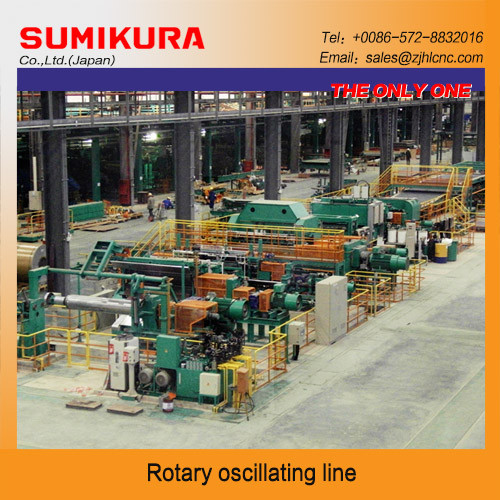
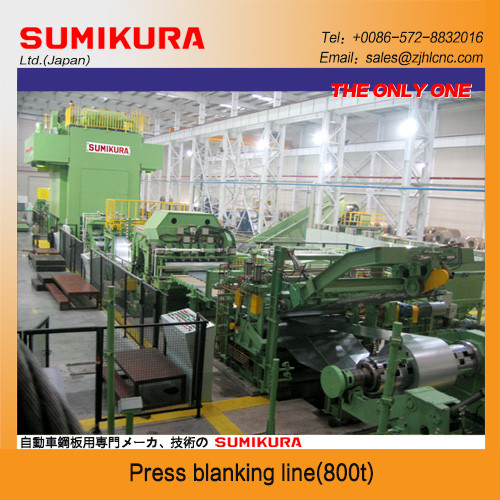
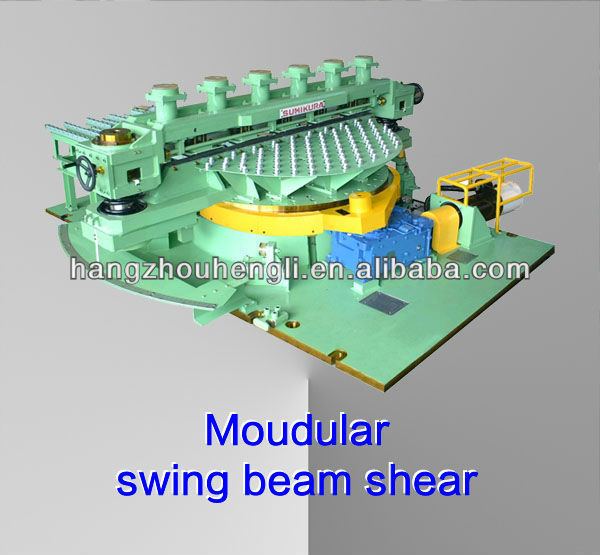
The most demanding coil processing applications show what full automation can achieve. Automotive blanking lines, for instance, process inner and outer body panels from coil, and their customers accept no dimensional compromise. Rotary oscillating shear lines combine flying pendulum shears, dual stackers, and fully automatic feeding to blank rectangular, trapezoid, and curved parts in one continuous operation. Every station runs under automatic control, and the line maintains automotive-grade precision at production speed.
What Industry 4.0 Delivers to Coil Processors
- Programmable changeover: switch coil size and cut program in minutes, not hours.
- Real-time quality: sensors catch defects during processing instead of after.
- Traceable production: every coil and batch linked to its processing data.
- Predictable uptime: remote diagnostics and condition monitoring replace surprise breakdowns.
- Lower cost per ton: less scrap, fewer setups, and higher effective speed.
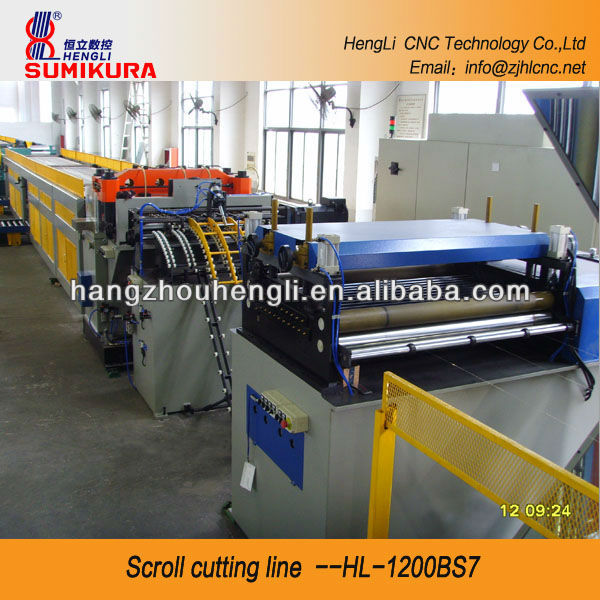
These capabilities are not limited to automotive. The same control and sensing architecture scales across slitting, cut to length, scroll cutting, and general shearing applications. Automation is no longer a premium option reserved for flagship lines; it is becoming the baseline expectation for processors who compete on precision and delivery.
Frequently Asked Questions
Do existing coil processing lines need to be replaced to add automation?
Not always. Many mechanical lines can be retrofitted with modern controls, servo drives, and sensors in stages, starting with the measuring and shear control systems that deliver the largest accuracy and throughput gains. A retrofit plan should be based on the line's mechanical condition and the specific bottlenecks identified from production data.
What sensors matter most on a coil processing line?
For most processors, the highest-value sensors are feed-length encoders, strip-position sensors, tension and load-cell monitoring, and pinhole or defect detectors. Together they close the control loops for cutting accuracy, strip guidance, and quality, which are the three largest sources of scrap in coil processing.
Is data from an automated line useful for small processors?
Yes. Data analysis scales with the operation: even a single line generates useful signals about setup time, scrap, and effective speed. Small processors typically start with cycle-time and scrap tracking, then add predictive maintenance and traceability as volume grows.
How does remote diagnostics reduce downtime?
Remote diagnostics let engineers review alarm history, drive trends, and operating parameters without a site visit. Most control faults are identified in minutes, and the correct spare parts can be arranged before travel begins, turning a multi-day outage into a planned, short intervention.
Conclusion: Automation Is the Competitive Baseline
CNC controls, sensors, data analysis, and remote diagnostics have moved coil processing beyond manual operation. Lines that once depended on operator experience now run with programmable precision, real-time quality feedback, and maintenance schedules driven by data rather than luck. The processors gaining share in this market are the ones treating automation as an investment in capability, not an expense.
Hengli designs and builds automated metal coil processing lines with this philosophy in mind, from digital-controlled rotary cutting and flying shearing lines to slitting, cut to length, and automotive blanking systems. Explore the full range of coil processing lines, or contact us to discuss a line configured around your materials, volumes, and automation goals.